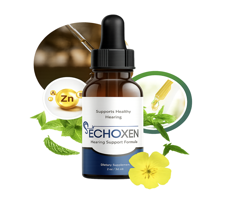
Echoxen: Boost Your Energy and Enhance Your Focus
Echoxen is a natural supplement created to help you regain comfort, tranquility, and sharper focus in your daily life. S...
View Formula
It gives pepper its distinct pungency and is widely recognized for its bioenhancing properties, meaning it can significantly increase the absorption and utilization of various compounds, such as vitamins, minerals, and plant-derived phytochemicals, when included in supplement.
Echoxen is a natural supplement created to help you regain comfort, tranquility, and sharper focus in your daily life. S...
View Formula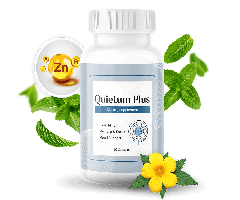
If you've been struggling with ringing, buzzing, or muffled sounds that make it difficult to fully enjoy conversations o...
View Formula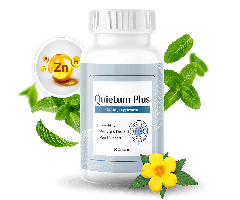
Quietum plus is a unique, science-driven dietary supplement designed to support healthy hearing and long-term ear functi...
View Formula